
Android 4.1 (Jelly Bean) was announced at the 2012 Google conference. The operating system has changed quite a lot compared to Ice Cream Sandwich. But at first glance, these changes were not noticeable. One had only to get acquainted with the system, as it became obvious: behind the canopy of the usual design hides a significant set of changes and new features. These — and others — inconspicuous progressive changes ultimately led to the dominance of Android. This version marked the beginning of a whole family of digital “jelly bean”.

One of the most important functions was Project Butter. Imperceptible changes improved the visual and sensory performance of the operating system: triple buffering of graphics, updating all the visual elements of the screen fit into 16 milliseconds. The input system using the touch screen has a number of new features. With the release of this platform, Android has ceased to lag behind its legendary rival iOS in terms of the sensitivity of the touch interface.
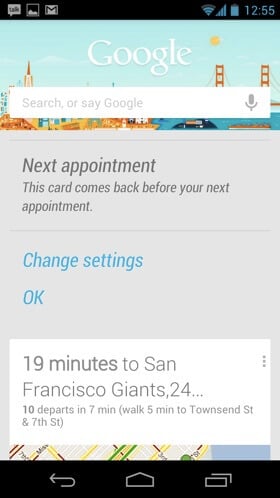
Among the innovations visible to the user, Google Now has become the most significant. Based on the experience of communicating with the user, Android began to guess that the user will ask before the question is asked. Access to Now is done by swiping around the screen. The function works with different data sets: timetable, location, time of day and other information. In turn, Now provides the user with a set of “information cards” that contain information which, in the opinion of the operating system, is the most relevant at the moment. For example, if the system detects that a user is at work, she may remind him that it’s time to go home.
Jelly Bean has gained improved support for regular speech. This system brought with it the most realistic text-to-speech method from all available for phones. Jelly Bean allows the user to dictate text recording by voice, without requiring an Internet connection via a cellular network or Wi-Fi.
Some key features and features of Android 4.1 Jelly Bean deserve to be covered in more detail:
System font Roboto. Appeared in Android 4.0, the font has been changed. His new styles and levels of fat have gained application throughout the user interface of the mobile operating system. As an example: italic type has been used in Google Now. Font rendering has become somewhat different than before.
Expandable "active" notifications. Android has always been famous for its excellent and flexible notification system. Some experts believe that in this regard, the "android" platform was second only to webOS. In Android 4.1, notifications have reached a new level of excellence. Developers were given the opportunity to make their notifications more dynamic than before. Right in the body of the notification, it became possible to have elements for displaying additional information and controls that could be used without opening the application.
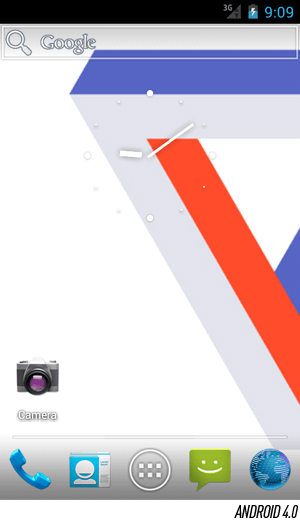
Widget flexibility. Widgets with resizable appeared in the version of Android 3.1. With Jelly Bean came the ability to dynamically resize the widget. The previously known technology, which tried to place all the icons and widgets on one panel, was a source of frustration. But now the system has begun to try to adjust the size of the widgets so that they adapt to the available space. Pictograms also "learned" to move. This feature was previously known to iOS users.
Predictable text. It has become a good tradition for Google to improve the version of the version of the screen keyboard of its mobile platform. However, device manufacturers often replaced the standard keyboard with their development and thus negated all the efforts of the search giant. Version 4.1 is no exception in this regard. The main direction of change was the “prediction” of the words entered by the user. This feature has gained fame in the popular SwiftKey and found its use in BlackBerry 10. Now, the Android keyboard has begun to speculate about what word the user is going to type next, eventually adjusting to the writing style of a particular person.
Read continuation: 4.2: Caring for the visually impaired
The contents of the cycle "History of Android":
[1] T-Mobile G1 Autumn Debut: 1.0
[2] 1.x: Sweet Names
[3] 2.0 and 2.1: Digital cake
[4] 2.x: Many small things
[5] 3.x: Honeycomb conquers tablets
[6] 4.0: Ice cream is learning the language
[7] 4.1: First in the Jelly Bean family
[8] 4.2: Care for the visually impaired
[9] 4.3: Modular Philosophy
Based on TheVerge.com
The article is based on materials .
Comments
Post a Comment